
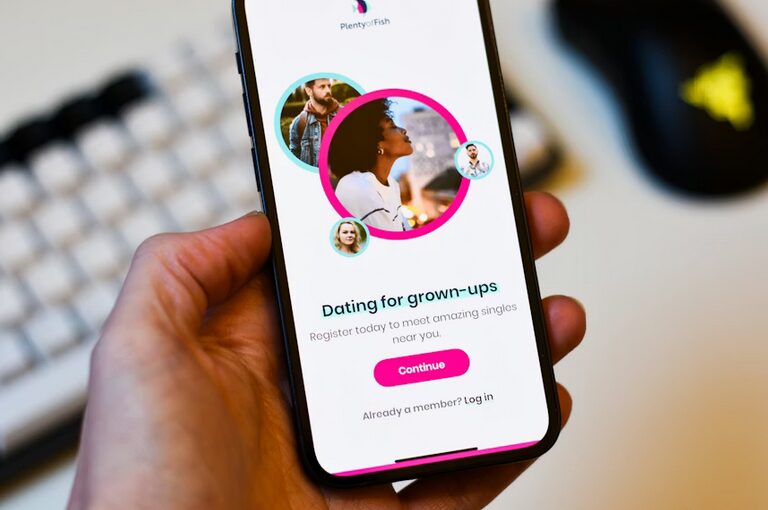
Dating apps are the internet’s favorite villain. Whenever romance feels awkward, disappointing, or exhausting, we blame the apps. Too many options. Too much ghosting. Too little magic. But here’s the uncomfortable truth: dating apps didn’t ruin romance. They just exposed the expectations we were already carrying. The real issue isn’t swiping—it’s what we think dating is supposed to feel like, how fast it should work, and what another person is supposed to provide.
We Expect Instant Chemistry
One of the biggest myths modern dating runs on is instant chemistry. We expect fireworks immediately, or we move on. Apps make this worse by encouraging snap judgments, but the belief itself existed long before smartphones. Real connection often grows slowly, through familiarity and shared experience. When we treat first dates like auditions for lifelong passion, we set most connections up to fail before they have a chance to deepen.
Choice Isn’t the Same as Clarity
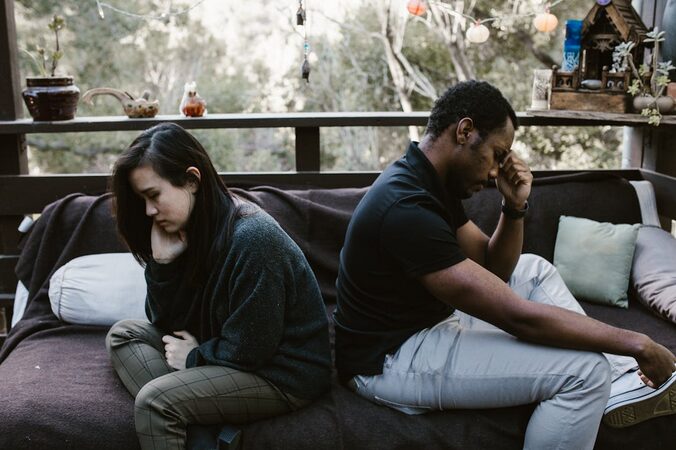
Yes, dating apps offer more options than ever before. But more choice doesn’t automatically mean better outcomes. When expectations are unclear, options become overwhelming rather than empowering. People swipe not because they’re curious, but because they’re afraid of missing something better. The problem isn’t abundance—it’s the belief that the “perfect” person should be instantly recognizable and effortlessly compatible.
Romance Became a Performance
Social media taught us what romance is supposed to look like. Grand gestures. Perfect timing. Aesthetic milestones. Dating apps didn’t invent this pressure, but they plugged directly into it. Now we evaluate potential partners not just on how they make us feel, but on how the relationship might appear to others. Romance stops being something you experience and starts being something you curate.
We Confuse Efficiency With Emotional Readiness
Apps are efficient by design. They make meeting people faster, easier, and more convenient. But emotional connection isn’t efficient. It’s messy, nonlinear, and unpredictable. Many people enter dating apps hoping for quick results without doing the slower work of understanding themselves. When dates don’t immediately deliver meaning or security, disappointment sets in, even though nothing actually went wrong.
Communication Got Blamed for Our Discomfort
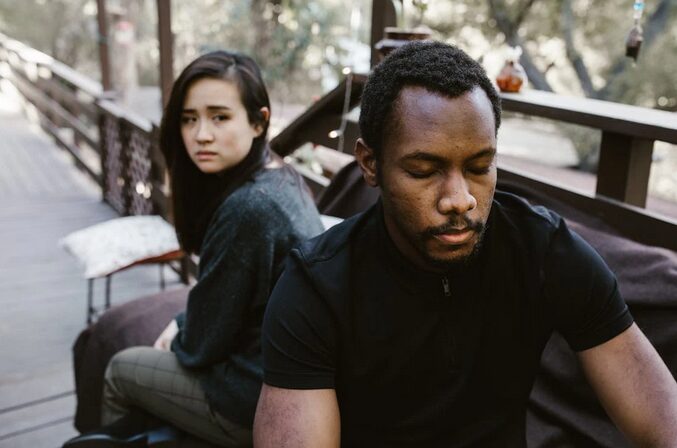
Ghosting, mixed signals, and awkward conversations get pinned on dating apps, but these behaviors are about avoidance, not technology. Apps didn’t make people bad communicators—they just made it harder to hide it. Clear communication requires vulnerability, boundaries, and self-awareness. When expectations go unspoken, misunderstandings feel personal instead of structural.
We Expect One Person to Do Too Much
Modern dating often carries the expectation that one person should meet all emotional, intellectual, romantic, and even existential needs. When a match doesn’t immediately feel like a best friend, lover, therapist, and future co-parent, we label it a mismatch. This puts enormous pressure on early connections and leaves little room for organic growth or realistic partnership.
Romance Didn’t Disappear—It Changed Shape
Romance today looks quieter than it used to. It’s less about dramatic pursuit and more about mutual effort. Less mystery, more honesty. Dating apps didn’t erase romance; they stripped away some illusion. What’s left can feel underwhelming if you’re expecting fantasy, but grounding if you’re open to reality. Romance still exists—it just asks for patience instead of spectacle.
Dating apps didn’t ruin romance. They simply revealed how much we expect love to be fast, flawless, and transformative from the start. When we loosen those expectations, dating becomes less cynical and more human. Romance doesn’t die because of technology—it struggles when we demand perfection instead of connection. Adjust the expectations, and suddenly, dating feels possible again.